Sharp increase in the mid-1700s
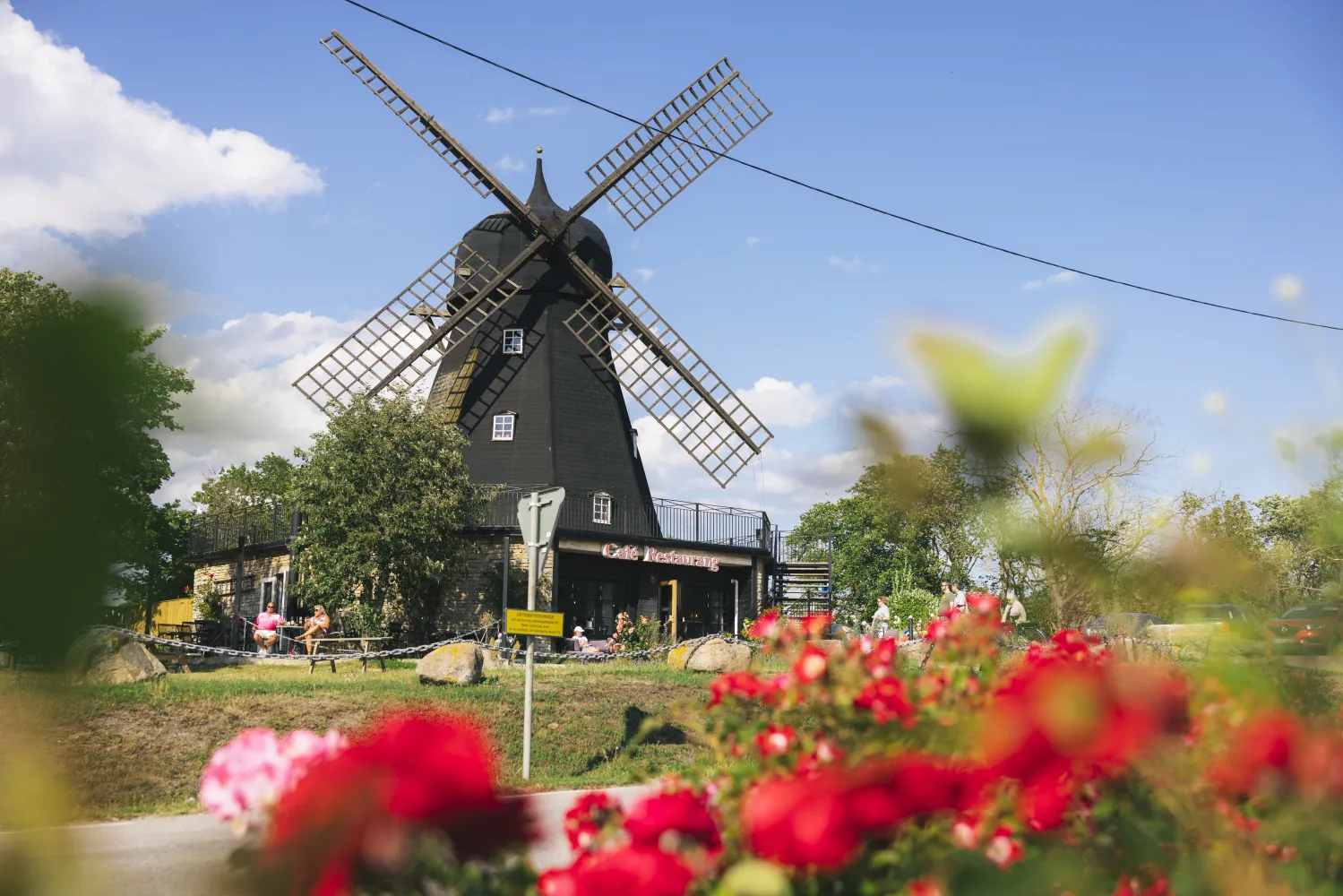
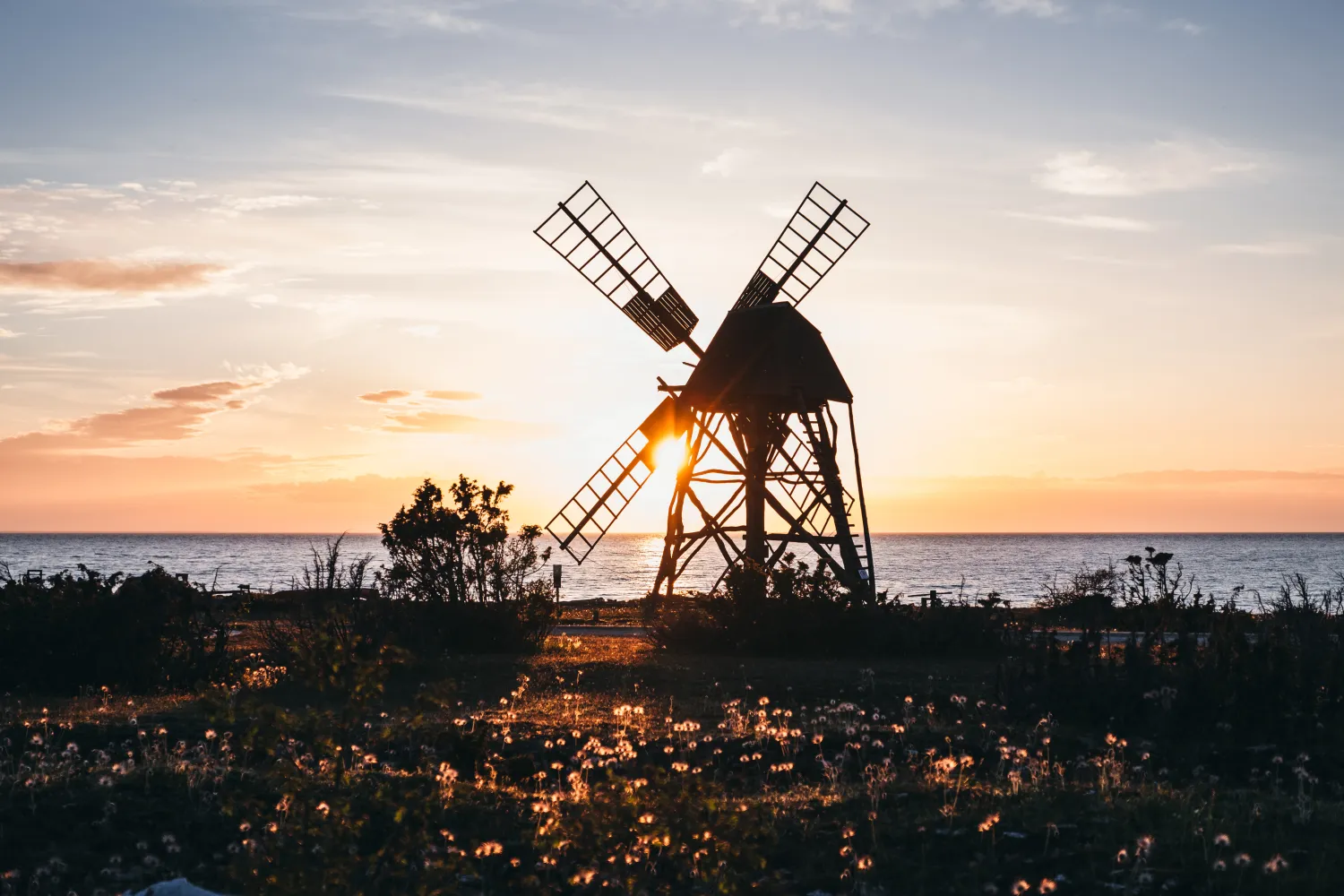
During the 1700s, the number of windmills more than quadrupled. From 1699 to 1808, the figure rose from 375 to 1677. The greatest increase was from the mid-1700s, during the same period as the mills gradually disappeared. A royal letter from 1808 contained provisions aimed at discouraging the construction of more mills on the island. From 1808 to 1822, the number of windmills only increased from 1677 to 1713. The information that there were 1677 mills in 1822 comes from the Öland priest Abraham Ahlqvist's book Öland's History and Description. According to Ahlqvist, the mills were most densely populated in Vickleby parish, where there were 77 of them. Around the turn of the century 1900, the number of windmills on Öland decreased drastically. Initially, most mills were demolished in the southern and central parts of the island, where the modernization of agriculture was the fastest. The small stump mills were replaced by new technically superior mills – first the large Dutch mills, then steam mills and mills powered by crude oil. Eventually, electric mills and mills that could be connected to the farm's tractor also appeared. Öland's Mill Association, formed in 2008, carried out an inventory recently, where it was concluded that there are today 351 mills left on the island.