
Mittlandsskogen - historical heritage and incomparable species richness
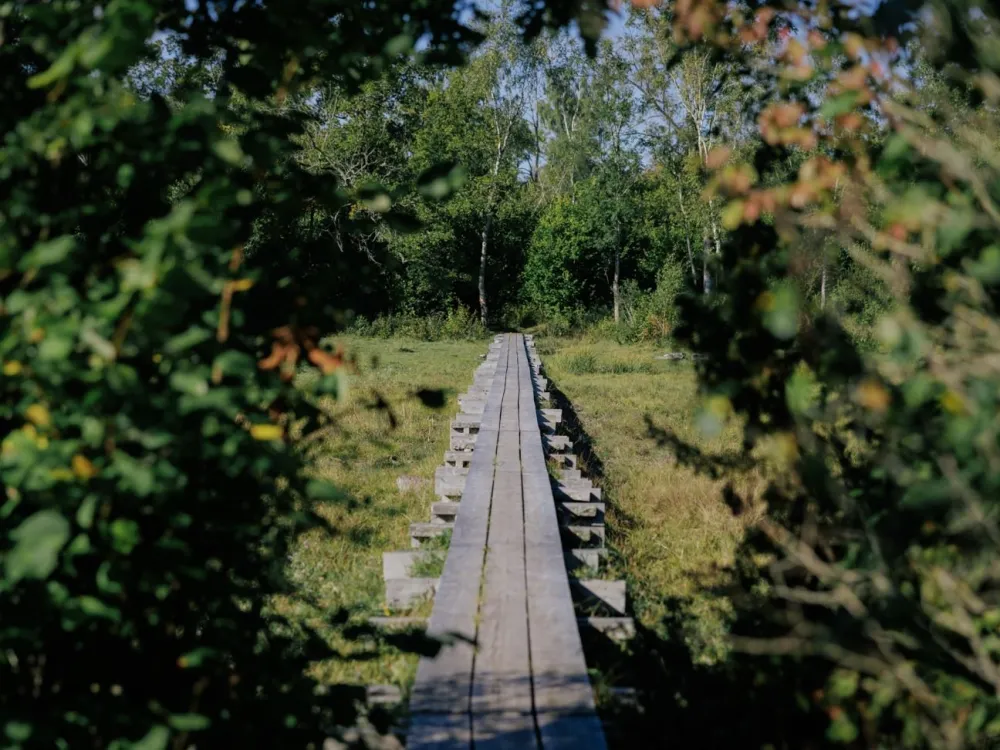
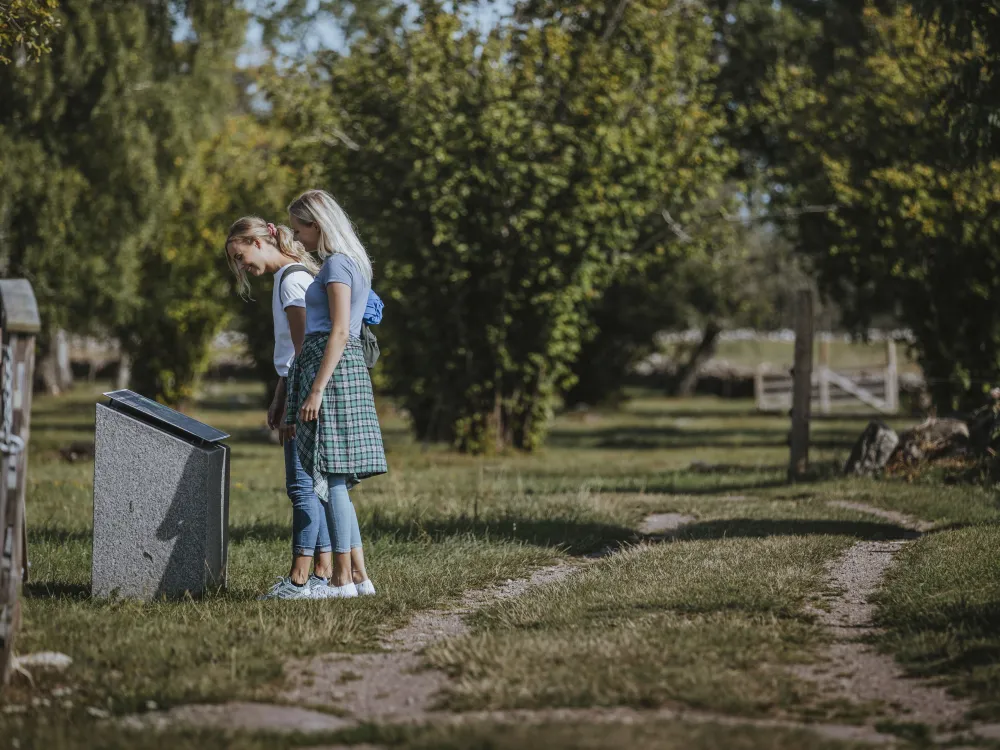
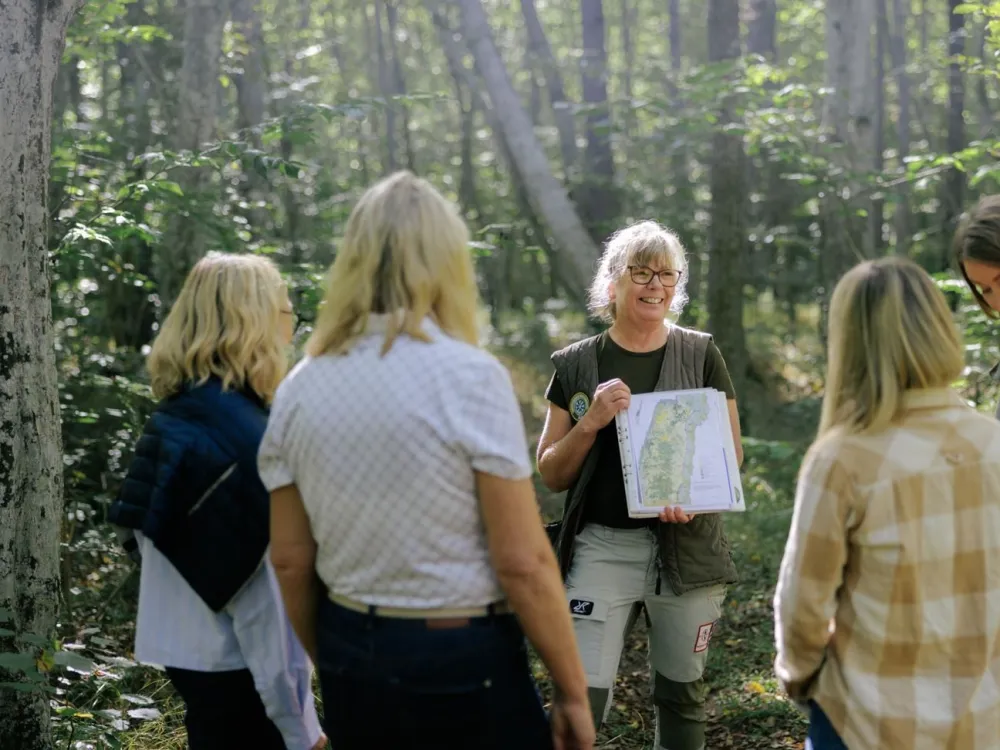
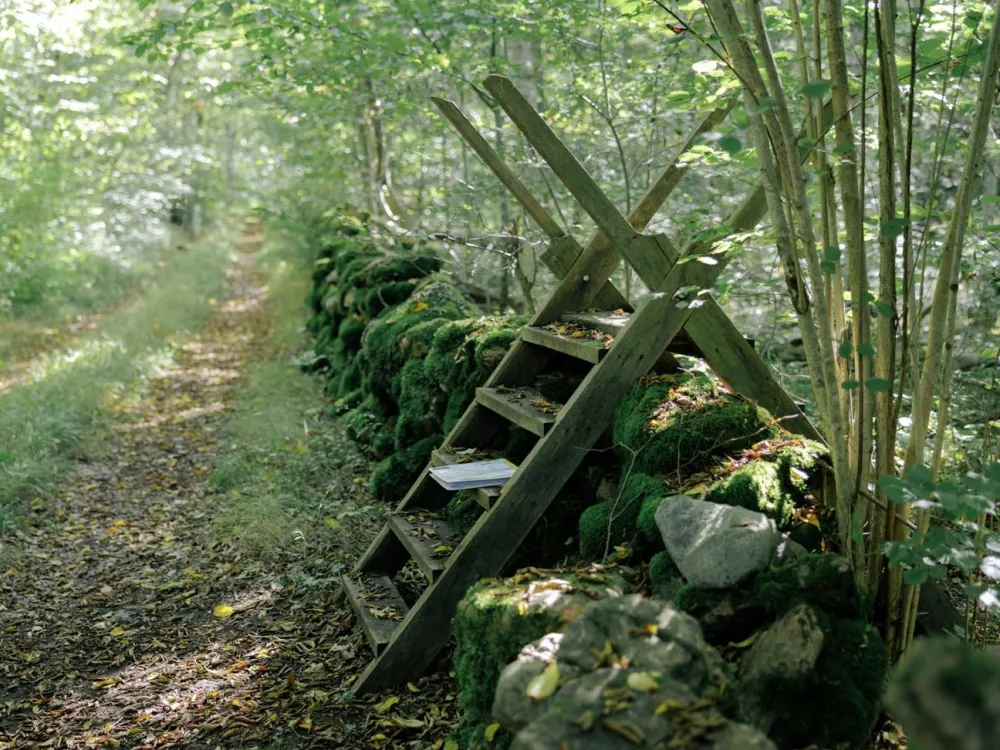
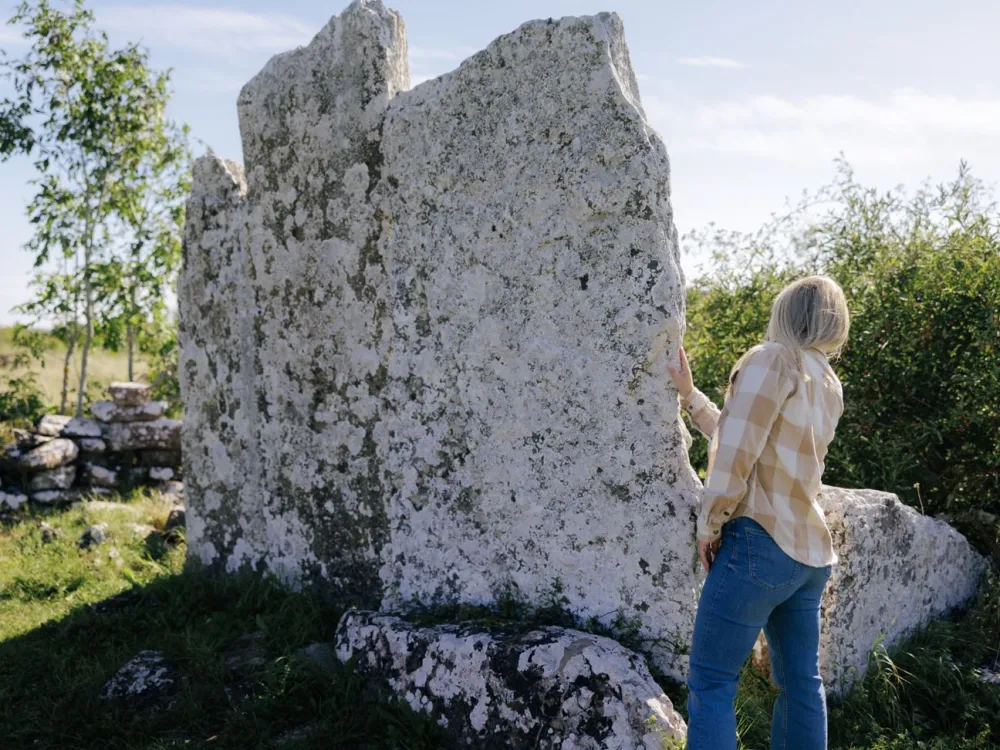
In the Midland Forest on Öland, there is an incomparable diversity of plants and animals and a historical archive in the form of thousands of remains of the Iron Age farmers' house foundations, sheep trees and stone fences. The natural and cultural environment values in the Midland Forest are of international class.
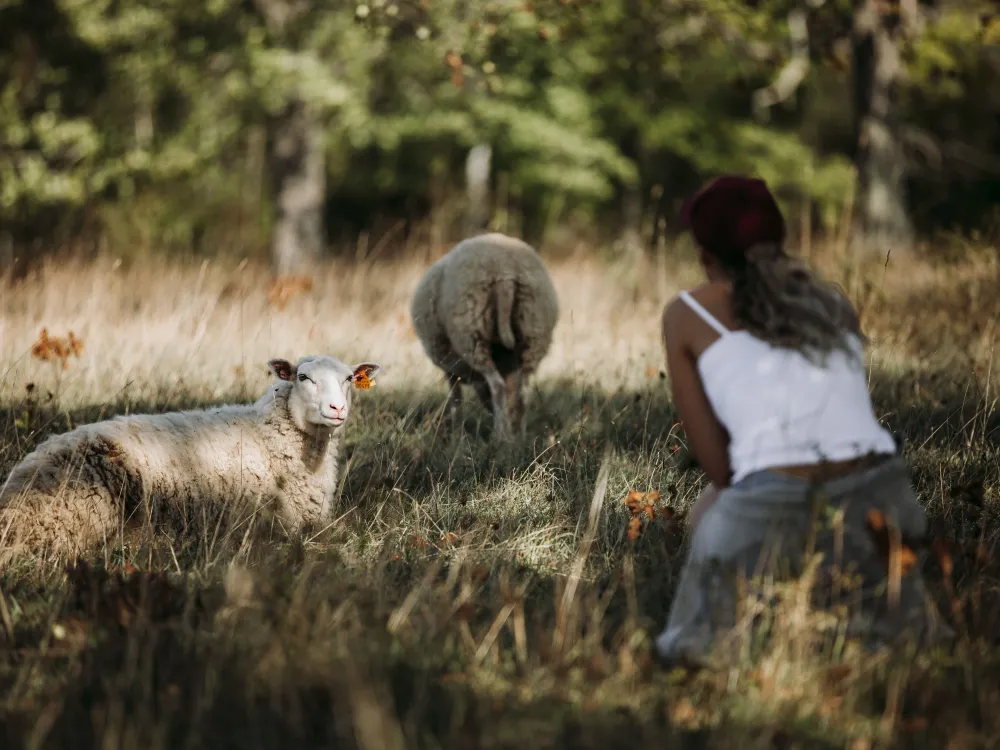
Mittlandsskogen, which stretches between Lenstad in the south and Köpingsvik in the north, is Europe's largest contiguous deciduous forest area below the mountain range and is also home to Sweden's largest hazel deposit. The deciduous forest in Midland mainly consists of 3 different types: hazel-rich oak forest, oak/ash/elm forest and hornbeam forest. Mittland forest has largely arisen spontaneously after old hay and pastures ceased to be cultivated and left to grow again. However, many tree-bearing lands have a very long tradition. Midland's hay and pasture lands were farmed from the Iron Age until the 1900s, and in these lands there were coarse deciduous trees that were harvested on leaves for the cattle's winter feed.
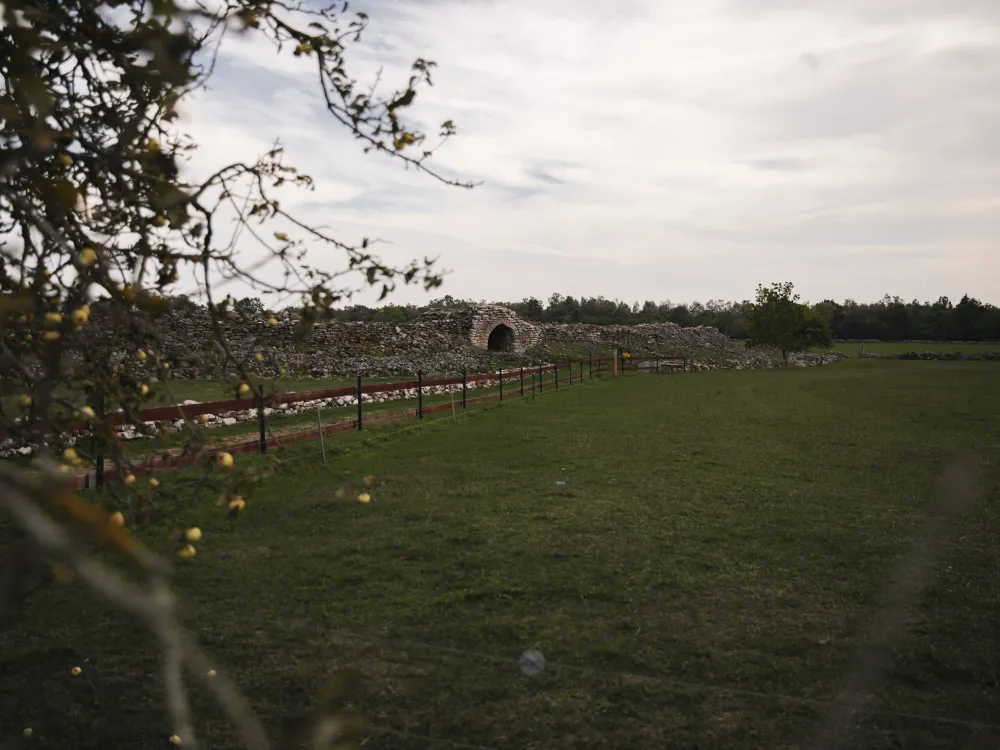
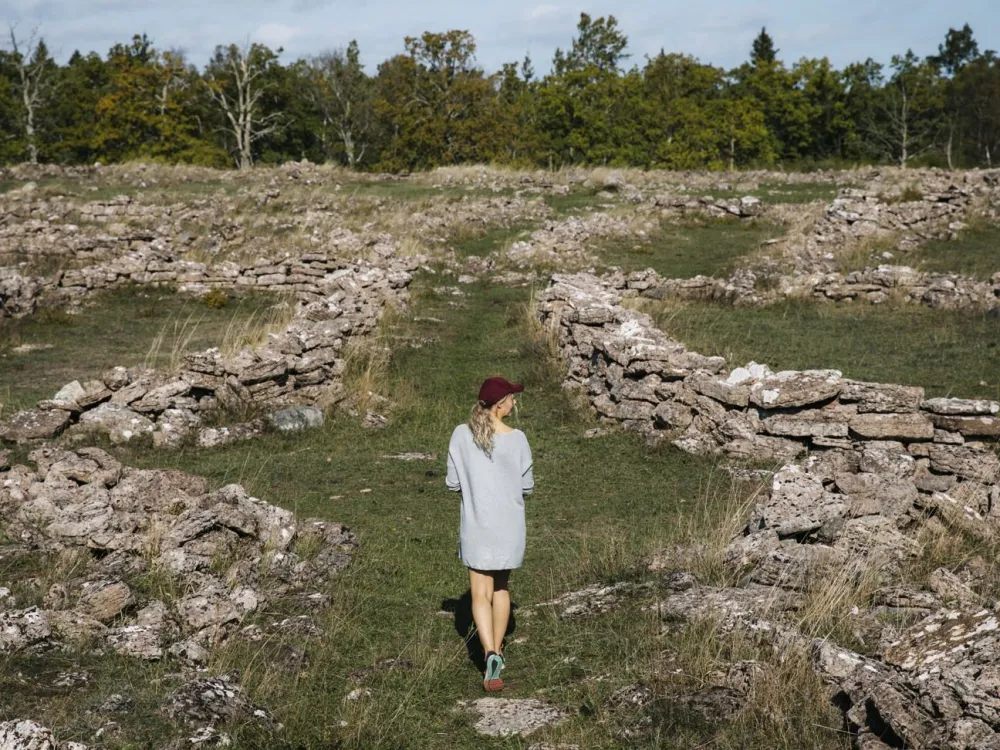
During the Iron Age, the Ölanders traded with the Roman Empire. Cattle farming was the basis of the economy. Around the villages in the Midlands, deciduous meadows were maintained and the trees were harvested to provide winter fodder for the cattle. When the Iron Age was over, the old village locations were abandoned and people moved to new locations, where there were better soils to cultivate. The old villages of the Midlands now became pastures on the outlying fields. In this way, house foundations, pastures and stone fences were preserved for posterity.
During the Iron Age, the Ölanders traded with the Roman Empire. Cattle farming was the basis of the economy. Around the villages in the Midlands, deciduous meadows were maintained and the trees were harvested to provide winter fodder for the cattle. When the Iron Age was over, the old village locations were abandoned and people moved to new locations, where there were better soils to cultivate. The old villages of the Midlands now became pastures on the outlying fields. In this way, house foundations, pastures and stone fences were preserved for posterity.