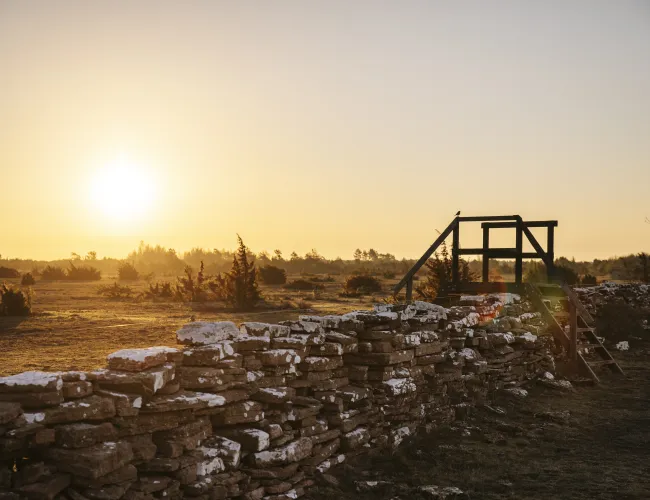
Gently love Öland

It is a privilege to take part in the beautiful nature on Öland and get close to it. The nature here is very fragile and many areas are particularly valuable for the ecosystem. It has unique natural and cultural heritage, great biodiversity and red-listed species that are very rare. Therefore, we love Öland in a gentle way, so that we can also enjoy everything that makes Öland unique in the future.
Cykla i Borgholm

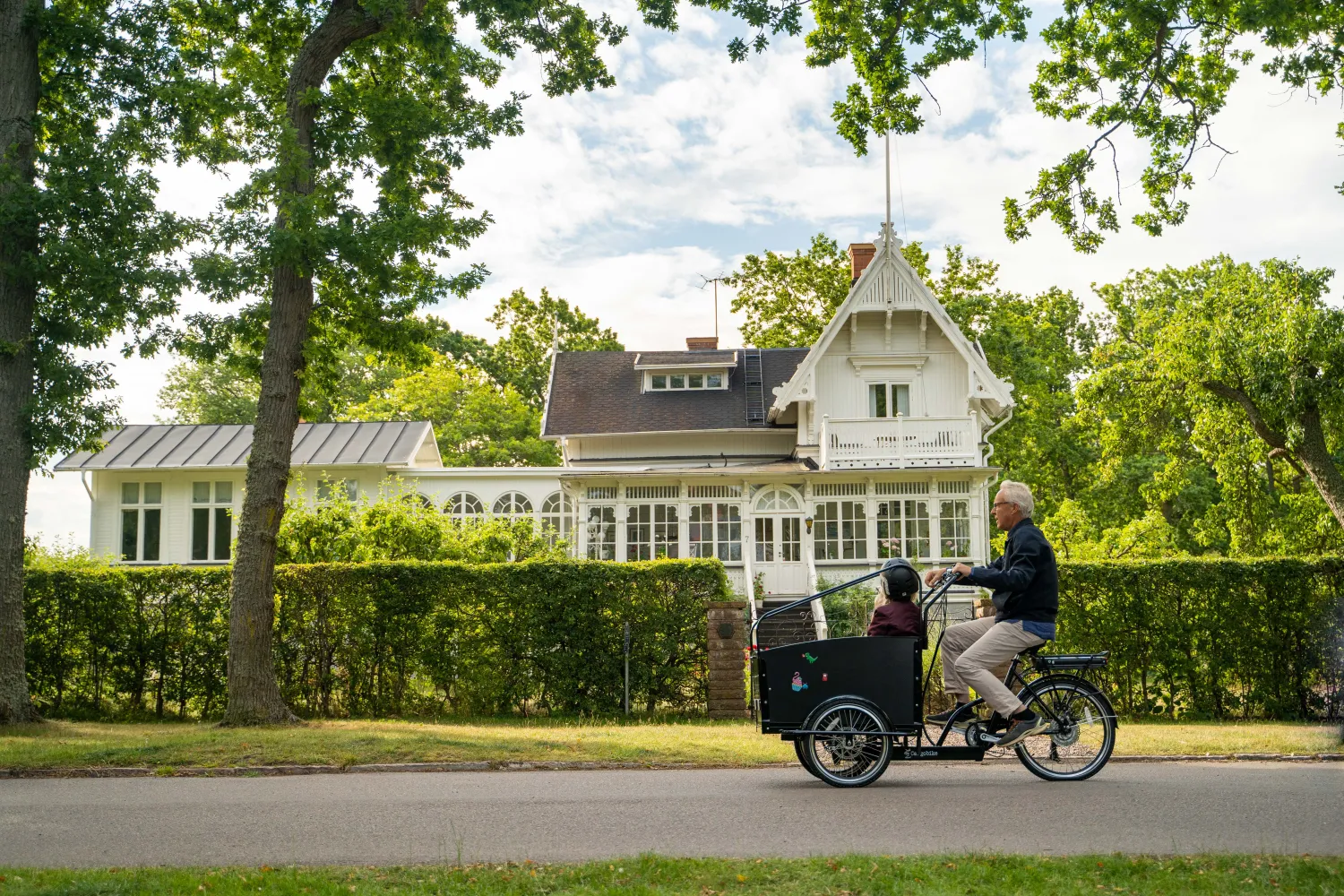
Cycling

You can cycle both in the countryside and on private roads. Avoid wet ground that is easily damaged by cycle tracks. Remember to show consideration for hikers and others you meet on paths and trails.

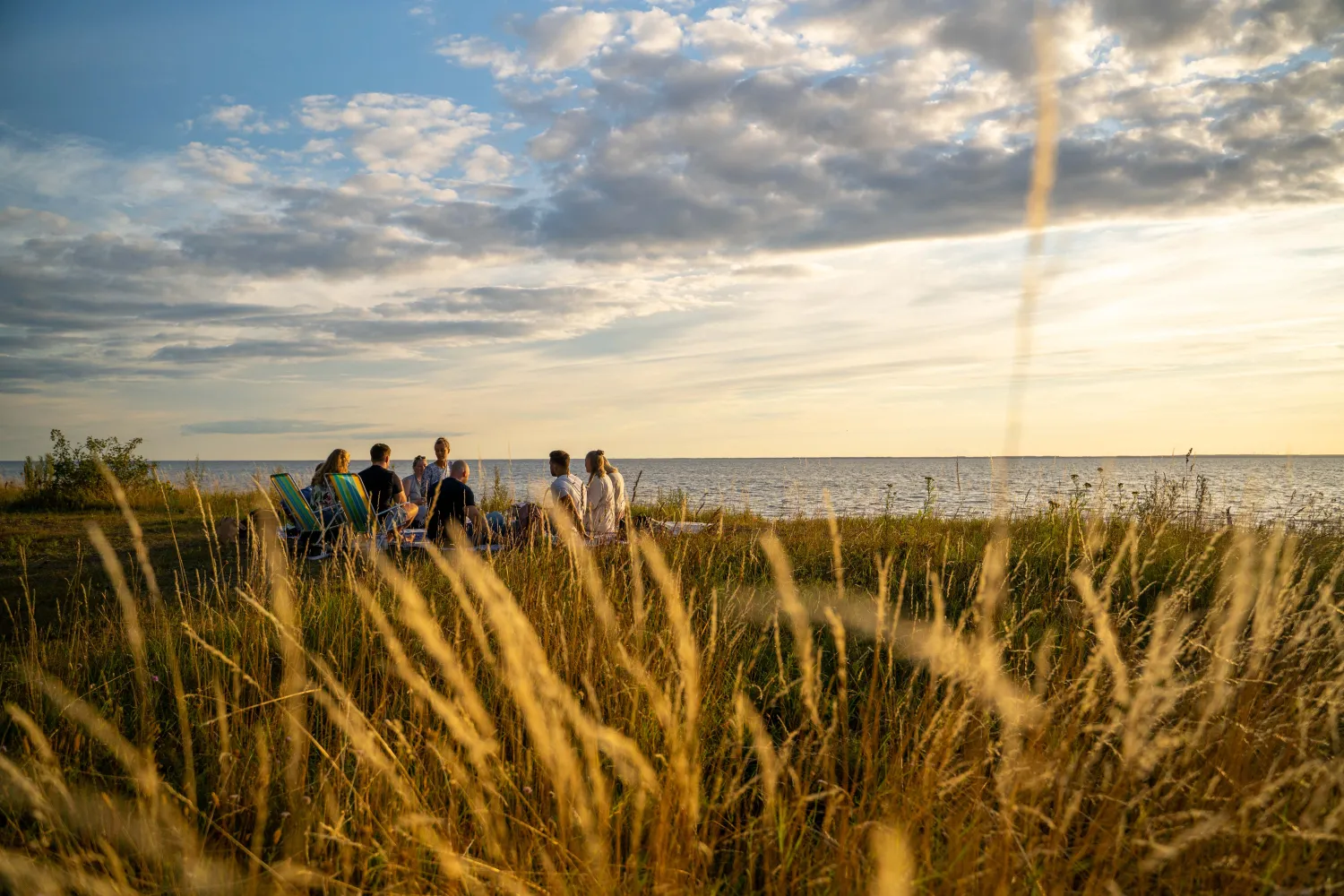
Picknick i Sandbergen

Bring the rubbish

All littering is prohibited. Broken glass, cans, plastic, cigarette butts, fishing lines and other debris can harm both people and animals. If you find someone else's rubbish along the way, you are welcome to pick that up as well.

Helena Elm - Penåsa Rastplats

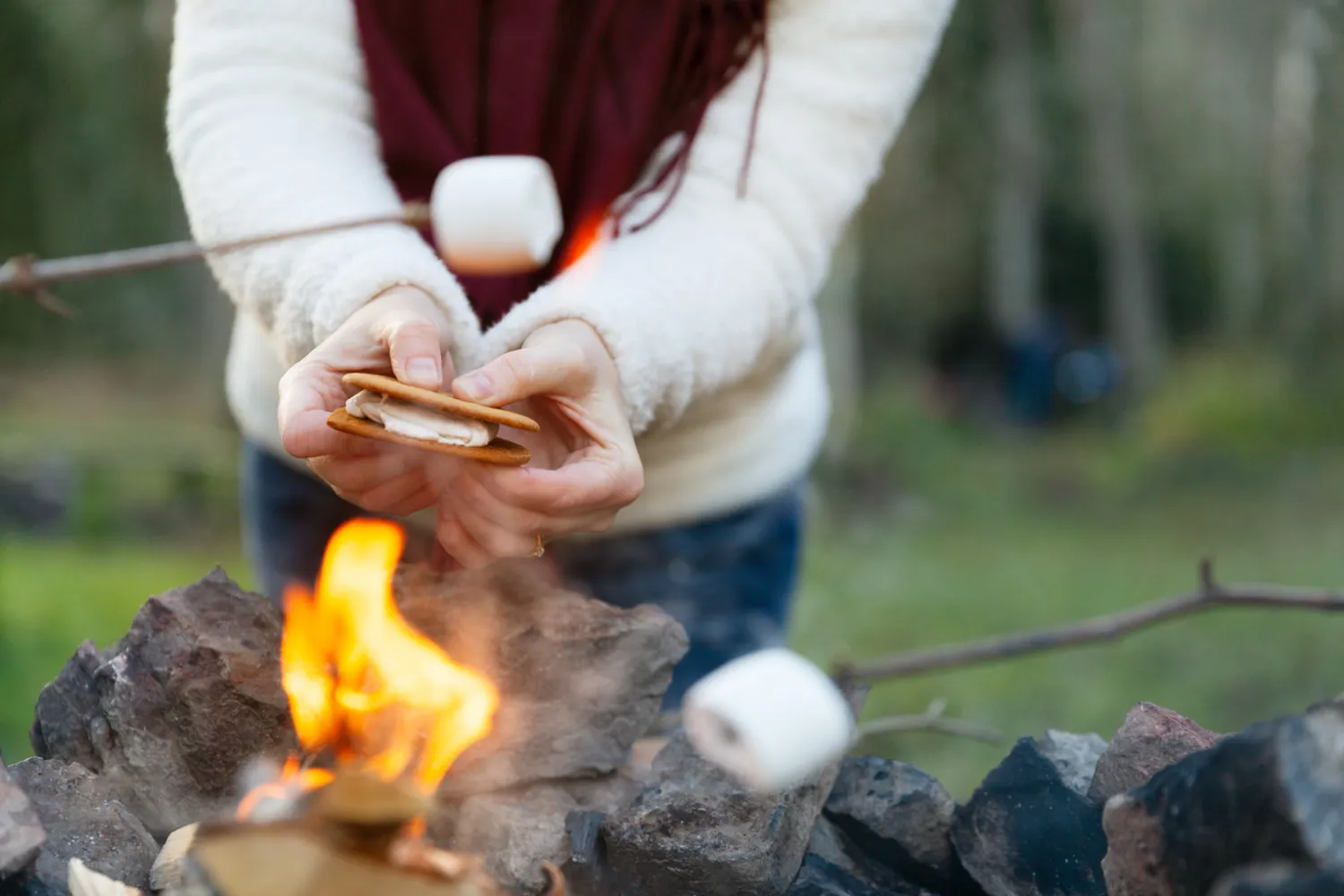
Fire safely

You can make a fire in nature under safe conditions. Choose safe fireplaces. When it is dry, there may be a fire ban, it is your responsibility to be up to date on the latest recommendations.

Hund på Borgholms Slott

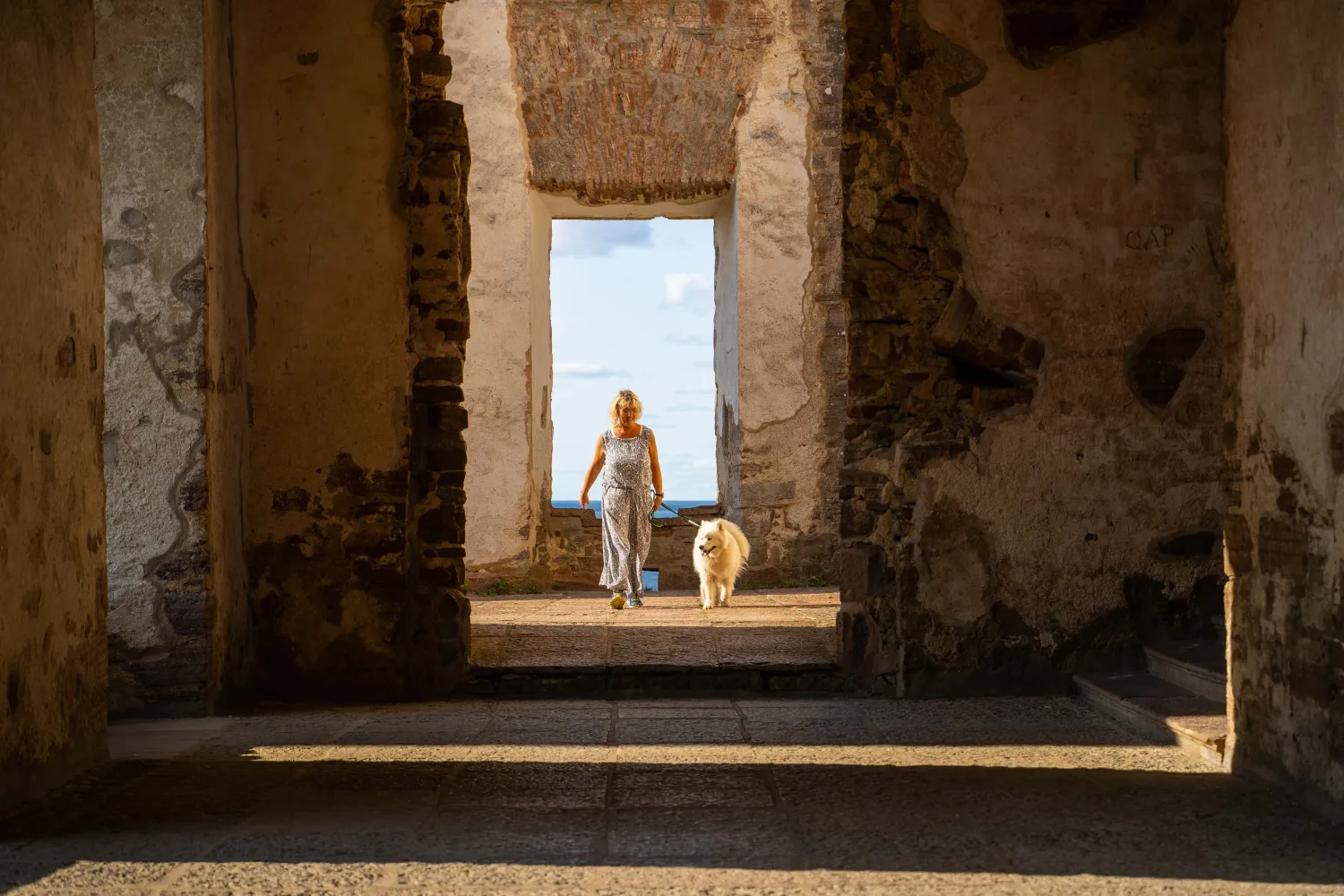
Bring your dog

To protect wild mammals and birds, you need to take responsibility for your dog, often a leash is a good solution. This is especially important during spring and summer when the animals have young. In many natural areas, grazing animals can also walk, it is important that you follow signs and have the dog on a leash to avoid accidents.

Solnedgång i Djupvik

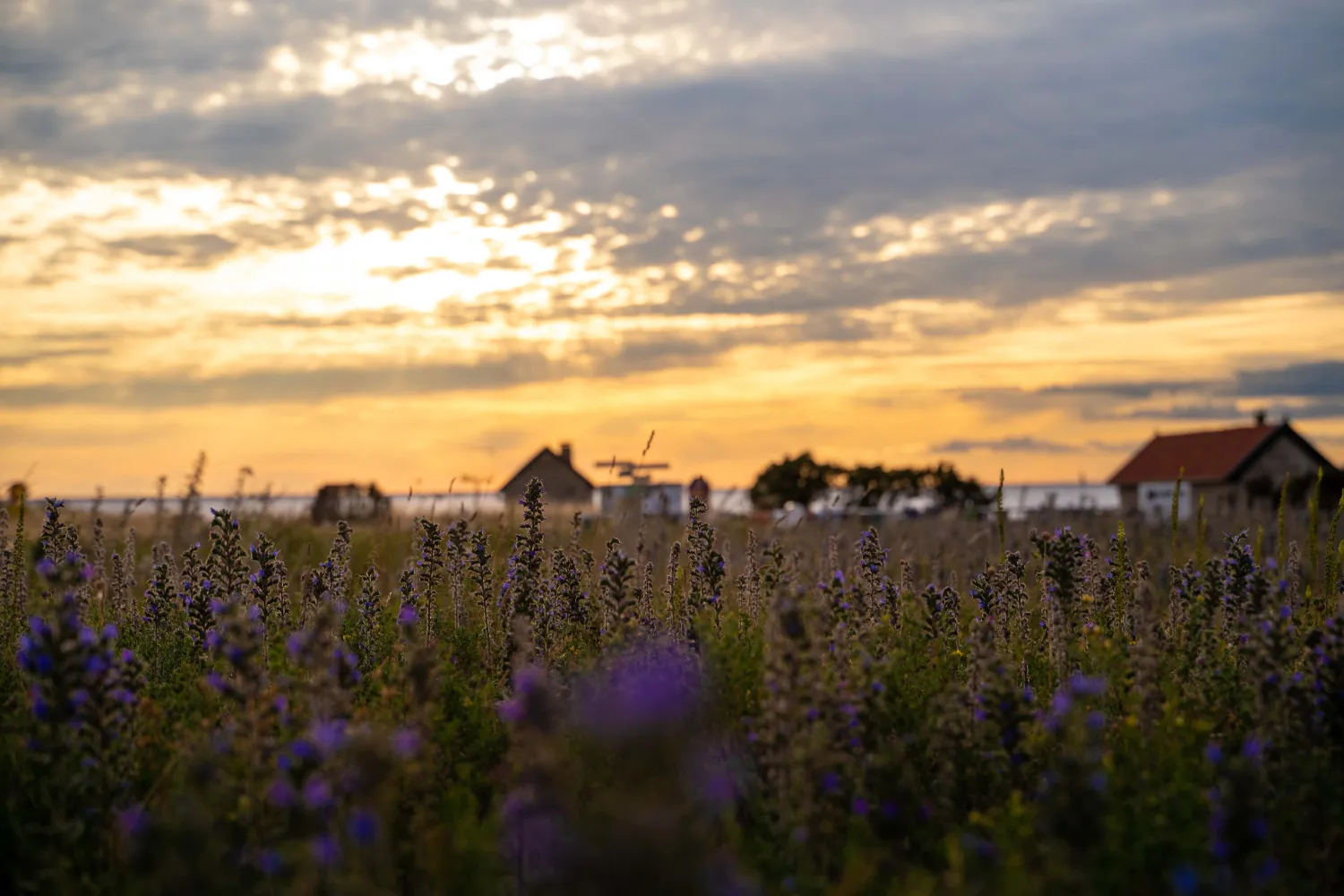
Wild-picked

You can freely pick flowers, berries and mushrooms in nature, but some plants are protected and therefore may not be picked, such as all Öland's orchids. You are also not allowed to break off branches from living trees and bushes.

Husbil

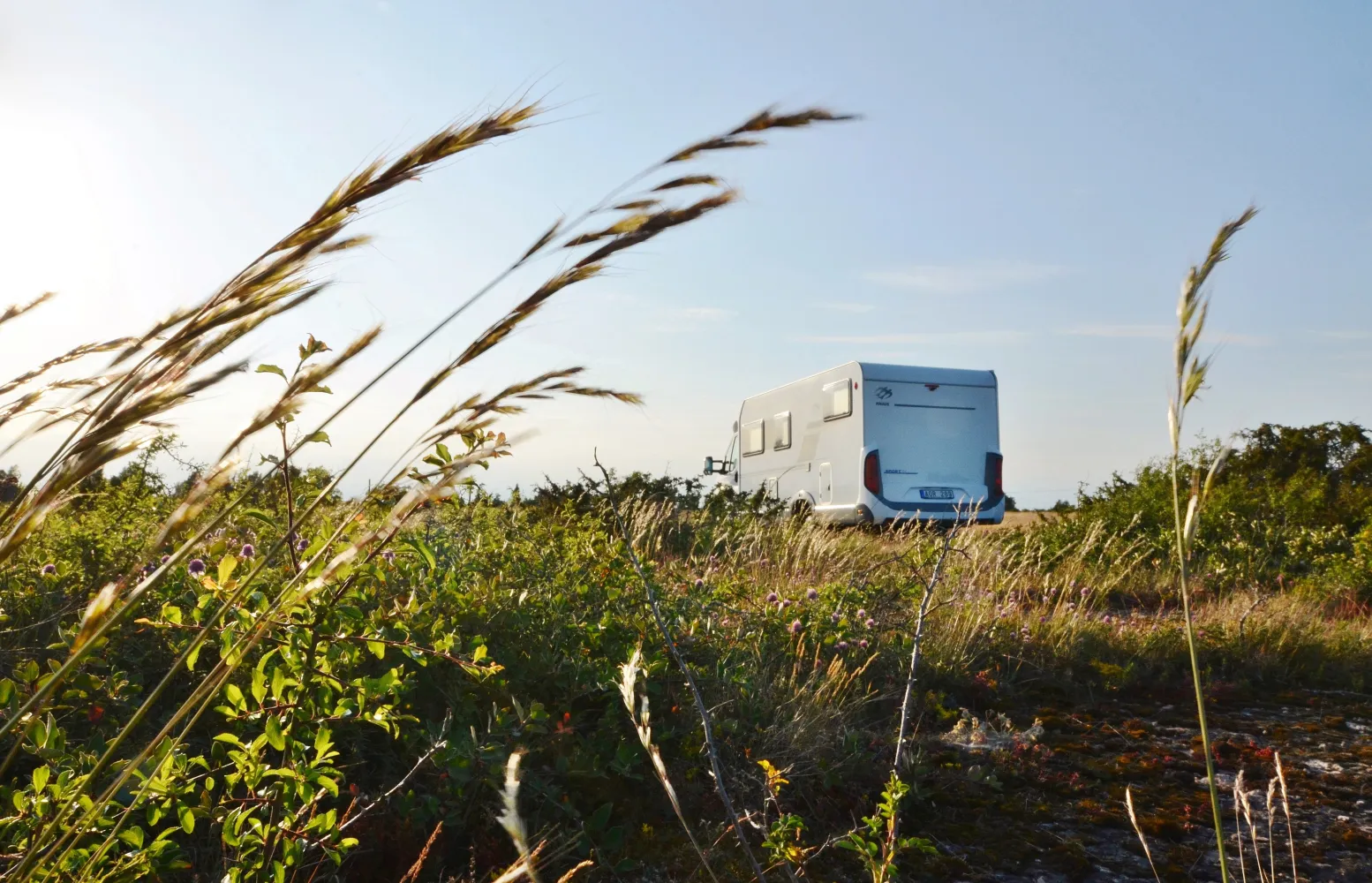
Driving in nature

It is forbidden to drive with motorized vehicles in nature because it damages the ground and can disturb animals and people. Öland's smaller roads border on very sensitive nature and it is important not to drive off the road or park outside marked areas.

Protected nature on Öland

Öland has a unique and very sensitive nature and there are many who want to experience it. This is great fun but places demands on you as a visitor. We need to help each other so that the sensitive nature is not damaged and that you as a visitor will have a nice experience.

don't disturb - don't destroy

The right of public access gives us freedom with responsibility – not to disturb, not to destroy. Of course, this also applies to our protected areas. Access to outdoor recreation is important to all of us. When many people want to be in nature, it is extra important that we show consideration for nature and for the people we meet there. Simple things to keep in mind are to keep the dog on a leash, cycle and ride with good judgement and close gates to pastures you pass.

Reserve regulations - why?

On Öland there are 91 nature reserves, so your own "gem" can be found. At the entrance to the reserve there is a board with information, where you can read about nature and the regulations that apply to the area. It can feel stiff and boring with bans, but the regulations are there to protect nature and make our experience that little extra, so read the board before you enter the reserve. It is worth considering that the right of public access does not fully apply in a protected area where there are regulations. Camping and spending the night, riding and cycling are things that can be regulated. Feel free to plan your visit in advance so you don't get disappointed on site.

Plan your visit

There is a lot of pressure on the nature reserves' visitor facilities such as parking lots, garbage cans and toilets. Especially the nature reserves on northern Öland are very well visited during weeks 24 – 32. The highest visitor pressure is during weeks 28 – 31 and we therefore ask you to feel free to plan your visit for another time or an alternative nature area. If you still choose northern Öland and the parking lot is full when you arrive, have a backup plan. Don't park the car along the road please. Accessibility is reduced for rescue services and sensitive ones grow, animals and insects are at risk of being destroyed and disappearing completely.

The County Administrative Board has produced a new Excursion Guide to some of the county's most visitable natural and cultural areas, which serves as a good planning basis for your visit. It is available digitally on the website; Discover Kalmar County, but also in printed form at tourist offices and visitor centres in the county. You can also pick up a copy at the County Administrative Board in Kalmar.

Have more people discovered their favorite place?

Toilet paper fluttering in the bushes and disposable barbecues left behind. Not what you want to be met with on your excursion, right? In many places there are garbage cans, feel free to use them but if they are full, bring the garbage home again. If you use dry toilets, don't throw anything but toilet paper in them. If the parking lot is full at your favorite place, make a backup plan. There are many nice places on Öland and you will surely find your very own place with a little planning.

Elda is cozy but requires knowledge

It is not always allowed to light fires in the nature reserves. Check the signs next to the entrances or on the web before you start a fire. Bring your own firewood or charcoal, you must never use dry branches from the reserve to make a fire. These are very important for many insects, mosses and lichens. On Öland, it often gets dry in the summer and think about where and how you make a fire so there is no risk of the fire spreading. Check the County Administrative Board's website beforehand, as there is often a fire ban in the summer.

Building stone towers

A popular occupation is to build stone towers, mainly on pebble beaches but also in the agricultural landscape where there are cairns in pasture. It is not forbidden to build stone towers on the beach, but sometimes it becomes a problem. When the beautiful coastline is completely broken up by hundreds of stone towers, you lose the experience for many of your fellow visitors. Some stone towers are built so high and with stones so large that if they were to fall, they would be directly fatal to children and dogs. When you use stones from old cultivation cairns, you are actually guilty of a crime. In addition to that, you should also think about all the farmers who worked to put up the cairns once upon a time, to let the stones be is to respect their work and our hultur history.


Where can I drive and park?

Öland is an island that many people experience with the help of their car, motorhome or caravan. It can be tempting to drive out on the beach or out on the alvar to a secluded place. You are not allowed to do that, neither in the reserves nor outside. The Off-Road Driving Act applies here. The ground on Öland is sensitive and easily broken. Ruts that you leave behind remain for a long time. Only park in places that are clearly marked as parking spaces. Always check the signage on site.


Parking at the nature reserves

The parking lots are dimensioned for reserve visitors. Therefore, it is not allowed to take up these parking spaces for camping/overnight stays. During the season, security companies will monitor that the rules are followed. This is so that as many people as possible have access to common protected areas. Follow the current signs on each parking lot and feel free to check the regulations before visiting the website Visitor destinations. That way, you won't be disappointed on the spot if your plans clash with what's allowed.

The coastal road on northern Öland

Along northern Öland from Äleklinta in the south to Byxelkrok in the north, the Coastal Road runs. It is a narrow and winding road with a very nice view of Kalmar Sound. In recent years, this road has become very popular for visitors, both by car, motorhome and bicycle. The road is narrow and on many stretches a rather poor gravel road. The road is not part of any protected nature, except when it passes through some reserves, but it is part of the Ölandsleden cycle path and is frequently used by cycling families with children. During the weeks in the summer when there are most visitors on Öland, this is not a suitable road for larger and heavier vehicles such as motorhomes as it is basically not possible to meet in width and the meeting places are few. This can mean crowds and long queues, so it's best to choose a different time of year for your visit along the coastal road, especially if you're coming with a motorhome. It is forbidden to drive off the road to meet or to park. Parking may only take place in designated parking spaces and overnight stays in designated spaces.

Day and night parking

In Sweden, you can park and spend the night in your motor vehicle for 24 hours on weekdays. On Saturdays, Sundays and public holidays, you can stay until the next weekday. If other rules apply, you will see this on an additional board under the P mark.


Keep in mind that there may be local regulations on some reserve parking lots and that parking is never allowed in the terrain.

It is not allowed to unfold an awning or set up a table, chair and grill in a parking lot. The entire motor vehicle must be inside the marked area and you may not occupy another parking space.


7 sustainable holiday tips

  1. Holidays = climate-smart
    Choosing a destination in your local region and taking domestic trips makes a big difference to the reduction of greenhouse gases. Is it possible to choose a mode of transport to your holiday destination with less climate impact?

     
  2. Discover the local area by bike
    Öland is best experienced by bike. Here you get the wind in your hair, the scents of elves and the sea and time to look around. In addition, you contribute to ensuring that Öland's sensitive nature along the small roads does not wear out.

     
  3. Save water
    On Öland, it is often dry. Precipitation during the year is low, especially during the summer. Therefore, it is important to be economical with water so that there is enough for everyone. Irrigation ban applies in the summer.

     
  4. Conscious environmental thinking
    Bring your conscious environmental thinking from everyday life with you on holiday as well. Save water, recycle the rubbish, turn off the lights and eat according to the season.

     
  5. Shop locally produced and locally grown
    Make sure to select the local options when you are on site. Then you support the local small producers and their production.

     
  6. Sustainable companies
    Show companies that you value sustainable thinking. For example, ask when you are at a restaurant if the meat is Swedish.

     
  7. Glock on the beach
    There is a lot of plastic in our nature. Bring a bag and make a contribution to the oceans and beaches. Go out and pick - glocka!
Bra att veta
Read more

Together we stop the spread of African swine fever!

Since African swine fever was diagnosed in the municipalities of Fagersta and Norberg in Västmanland County, intensive work has been underway to combat the disease within the infected zone. At present, there is no concern that the infection will spread outside the contagious zone. But in order for this not to change, we all need to help each other to prevent African swine fever from spreading in Sweden.
This is what you as a resident and visitor can do:


  • Throw your leftovers in the trash. Do not leave them in the ground after a picnic or at rest areas along roads.

  • Compost your food waste in a closed container that wild boars cannot get into.
  • If you find sick or dead wild boars, you must report it to the National Veterinary Institute (SVA) via their reporting function.
Why is it important to control African swine fever?

African swine fever is a painful and fatal disease for wild boar and domestic pigs. The disease can infect humans and other animals, but the fight against it affects how and where we are allowed to move.


  • The outbreak of the disease is costly as the control work requires large personnel and material resources.
  • If the disease spreads to more areas and to domestic pig herds, it will have a major impact on our food production and food supply.
  • The outbreak affects other countries' willingness to import Swedish pork.


It can take several years to eradicate African swine fever in Sweden, but the first few months are the most critical to stop the spread of infection. If we help each other to comply with the restrictions that apply in the infected zone and work preventively in the rest of the country, the conditions for success look bright.


It is still safe to eat meat from wild boar and pigs.

Swedish wild boar and pork is still safe to eat. You don't have to empty the freezer of your wild boar or pork meat, throw away what you bought in the store or opt out of the types of meat when you eat at a restaurant. Continue to support our Swedish pig farmers, food producers, restaurants, hunters and game handling facilities.

More information

At the Swedish Board of Agriculture and the National Veterinary Institute, SVA, you will find up-to-date information about African swine fever and the ongoing outbreak.

Read more about African swine fever