
The Enchanted Forest
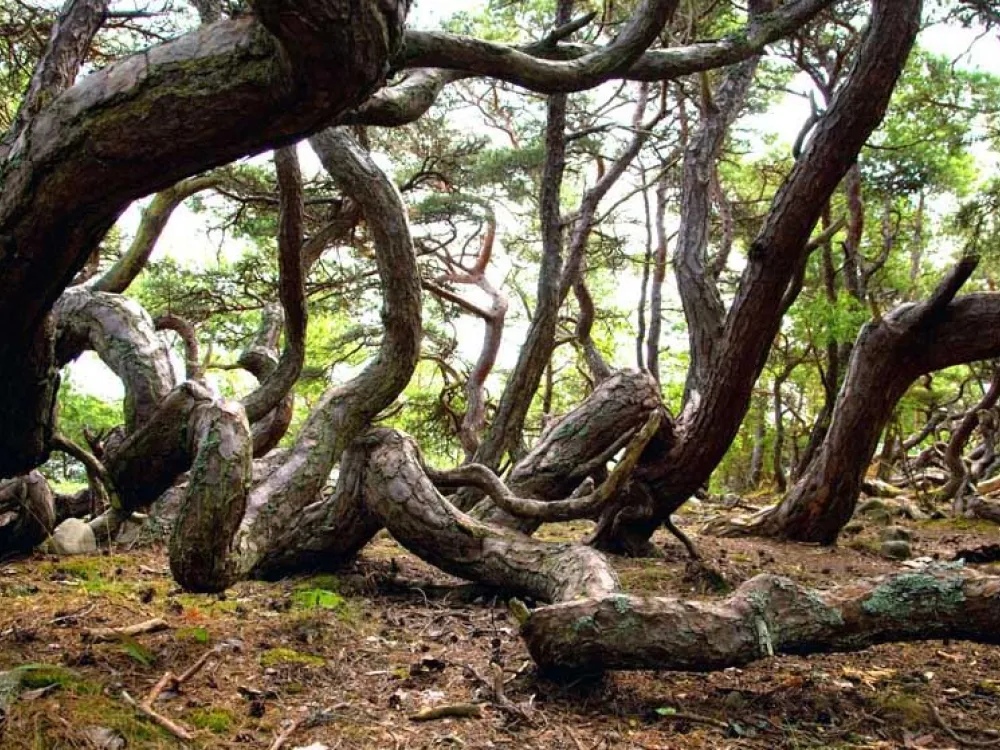
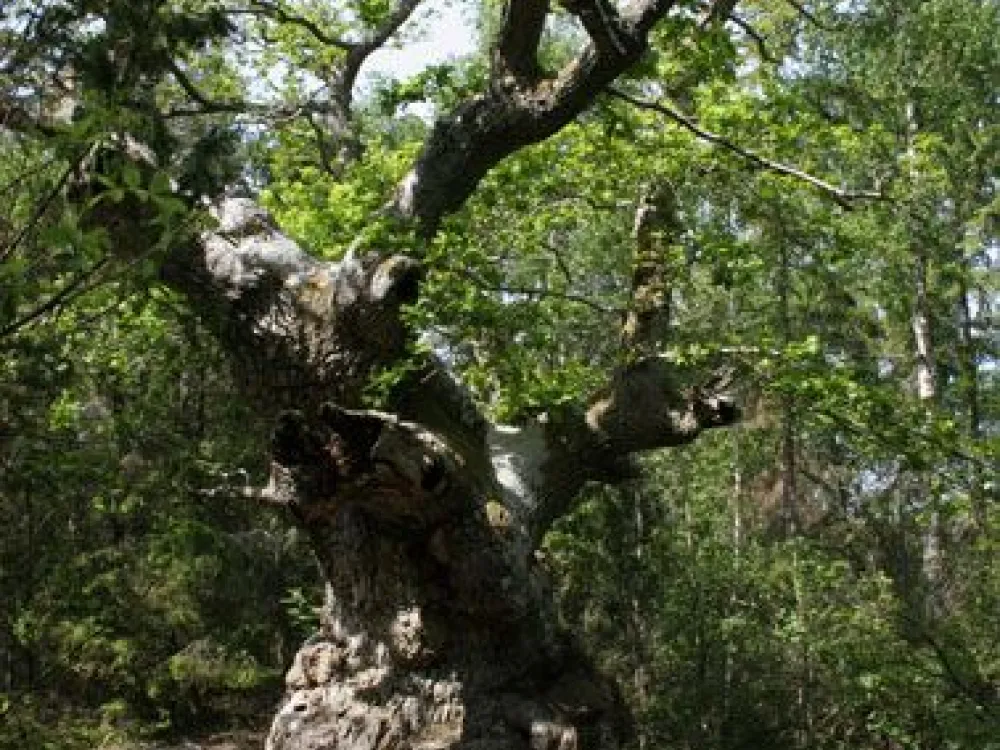
At the far end of Öland's northeastern cape is the nature reserve Trollskogen, an old pasture-like coniferous forest that really lives up to its name. Gnarled windswept pines and old thick oaks grow here. The magical feeling is enhanced by all the ivy that climbs on the ground and over tree trunks.
THE PEARLS OF THE FOREST
The cows' grazing means that Trollskogen has an open and loose character and here you will find plenty of Lund fern and also the small almond-scented linnaean. The presence of old hollow trees and a lot of dead wood means that many insects, tree fungi and lichens thrive in Trollskogen, e.g. the rare noble crown lichen. The nesting birds include woodpeckers and lesser crossbills. Here is also Öland's safest location for pine, one of the island's most unusual nesting birds.
PEBBLES AND FISHING WATERS
On the northeastern tip of Öland, mighty beach embankments of shingles have been shaped over the millennia by wind, waves and inland ice. In the surrounding coastal waters, herring and flounder spawn. Kauniainen Bay is a very important "nursery" for many fish species.
ANCIENT MONUMENTS
Since prehistoric times, the northeastern cape has been of great importance to people, with the rich supply of fish and Kauniainen Bay as an important harbour. The prehistoric graves lie like a string of pearls on older beach embankments along both sides of the cape. The strategically important location of the cape is also marked by the redoubts from the 1400s, when the Danes tried to capture the then naval base of Örbovik.
NATURUM TROLLSKOGEN
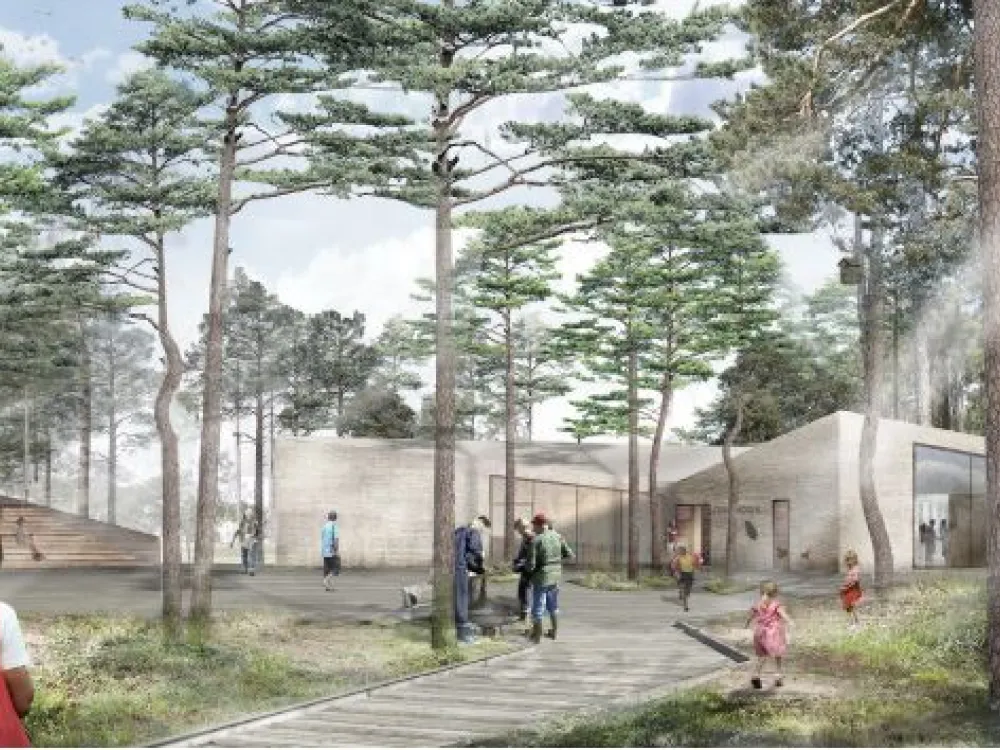
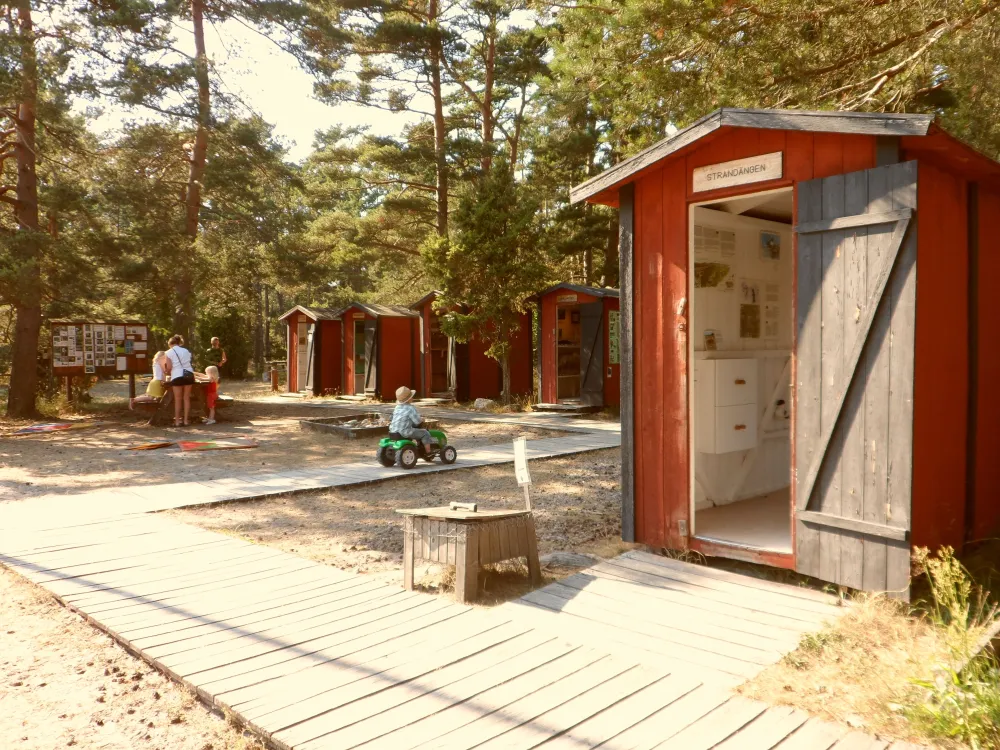
The reconstruction of the Trollskogen visitor centre, one of Sweden's oldest visitor centres, has now been completed for a few years now. Before that, the exhibitions were built in lumberjacks' huts. Now there is a unified building that also houses café service and meeting rooms.
Welcome to Trollskogen on foot!